ForceBeyond Logo
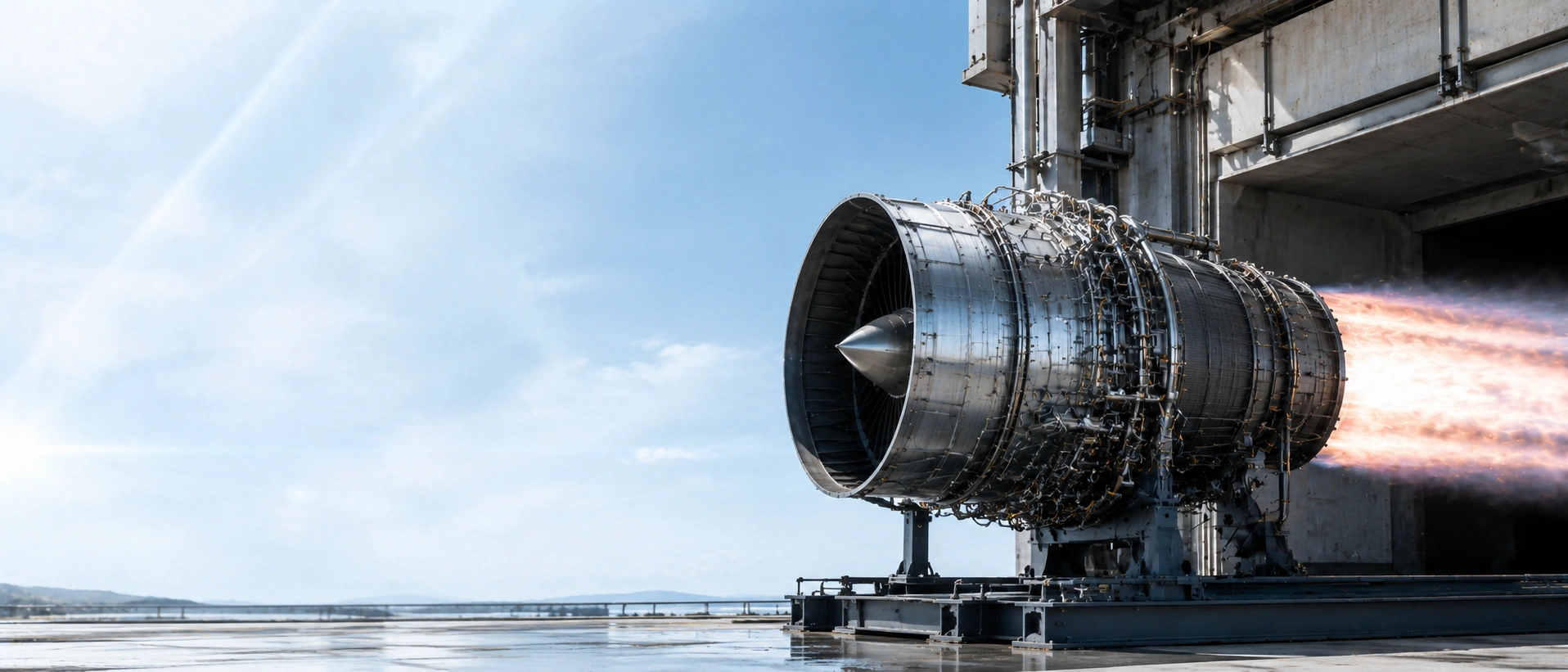
Titanium aerospace jet engine undergoing a high-performance ground test with active exhaust

Open Die Forging: Extreme Strength for Massive Components

Open Die Forging: Extreme Strength for Massive Components

ForceBeyond provides world-class open die forging (also known as free forging or smith forging) for massive, high-stress industrial applications. As part of our comprehensive custom forging services hub, we shape heated metal between flat or contoured dies that do not completely enclose the material, producing extremely heavy components with unparalleled structural integrity.

Because open die forging does not require part-specific tooling, it is the most cost-effective method for low-volume runs, rapid prototyping, and parts too large for closed die forging presses. We supply heavy forged blocks, step shafts, discs, and rings using a broad range of alloys, including high-performance exotic superalloys like Inconel 718 forging and specialized ECO BRASS C69300 forging.

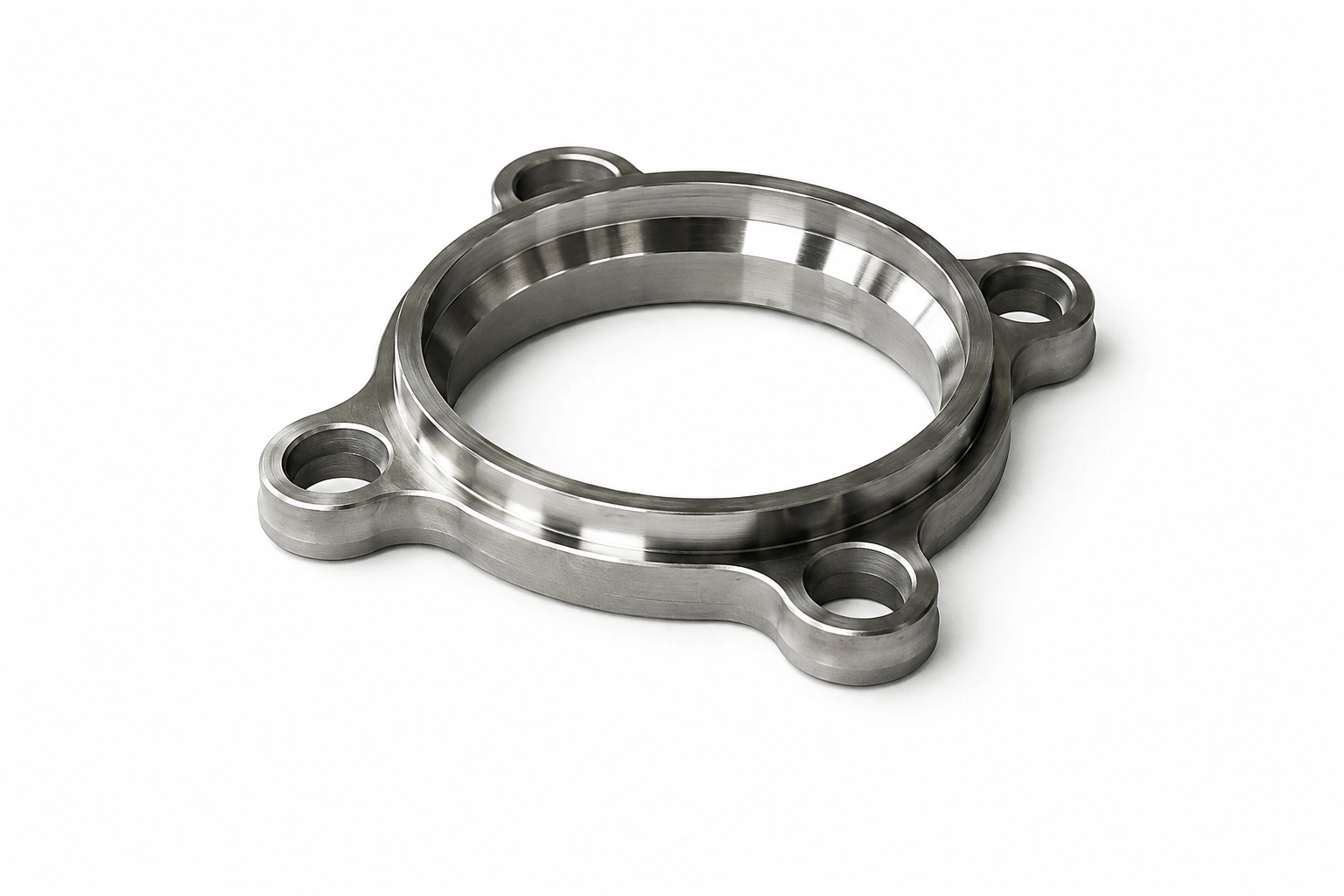
Precision-machined stainless steel four-bolt flange with a large central bore on a white background.

Technical Capabilities: Open Die Forged Shapes

Our open die forging capability relies on the skill of press operators to incrementally shape the metal, which is subsequently precision-machined to final print tolerances. ForceBeyond manages massive weight capacities to manufacture diverse geometries:

Forged Geometry Typical Applications & Related Technologies
Step Shafts & Spindles Power generation rotors, marine propeller shafts, and heavy industrial drive shafts.
Discs & Hubs Gear blanks, heavy-duty machinery hubs, and high-pressure pipe flanges. For high-volume precision alternatives, compare with our closed die forging process.
Blocks & Rectangles Tool steel blanks, massive structural supports, and heavy equipment bases engineered from structural alloys or nickel-based superalloys.
Cylinders & Sleeves High-pressure containment vessels, hydraulic cylinders, and extrusion press components.
Rings (Mandrel Forged) Pressure vessel connections and heavy bearing races (for seamless high-production ring options, see our dedicated Rolled Ring Forging capabilities).

Why Partner with ForceBeyond for Open Die Forging?

When components operate under critical stress, internal structural defects can result in catastrophic failure. Compared to traditional casting processes like sand casting, investment casting, or die casting, open die forging delivers superior metallurgical density and strength.

  • Massive Size Capabilities: Open die forging is unbounded by mold cavity sizes. We forge components weighing from dozens of pounds up to 50,000+ lbs, with lengths extending dozens of feet.
  • Maximum Structural Integrity: Continuous hammering or pressing breaks down cast ingot structures, consolidating internal micro-shrinkage and refining grain structure for isotropic strength across heavy cross-sections.
  • Zero Custom Tooling Costs: Utilizing standard flat or V-shaped dies eliminates expensive custom die-sinking costs required in methods like closed die forging or cold forging.
  • Rapid Lead Times For Low Volumes: Without waiting for custom dies, open die forging allows fast lead times for prototypes, critical spares, and low-volume industrial runs.

Tier-1.5 Integration: Heavy Machining & Finishing

Because open die forgings yield near-shape preforms, ForceBeyond seamlessly transitions your components from the forge shop to complete post-processing finishing across our global forging network.

  • Heavy CNC Machining: Large-envelope vertical/horizontal lathes, boring mills, and heavy 5-axis centers deliver exact final dimensions to your print specifications.
  • Deep Hole Drilling: Precision internal boring for long step shafts, hollow cylinders, and high-pressure sleeves.
  • Advanced Heat Treatment: Deep-penetration normalizing, quenching, and tempering to achieve specific mechanical and tensile properties throughout massive sections.
  • Rigorous NDT & Inspection: Comprehensive Ultrasonic Testing (UT) to guarantee zero internal voids, supported by full Material Test Reports (MTRs) and ISO/AS9100 traceability.

Certified Open Die Forging Applications

ForceBeyond delivers high-integrity open die forgings engineered for demanding operating environments:

  • Power Generation: Turbine shafts, generator rotors, and nuclear pressure boundary components.
  • Oil & Gas: Blowout preventers (BOPs), drilling collars, and subsea manifold blocks forged with corrosion-resistant alloys like Inconel 718 or Duplex Stainless Steel.
  • Mining & Heavy Equipment: Excavator main shafts, rock crusher hubs, and large gear blanks.
  • Shipbuilding & Marine: Propeller shafts, rudder stocks, and structural submarine components.

Frequently Asked Questions: Open Die Forging

Does open die forging produce a finished part?

No. Open die forging produces a rough, oversized shape. Because the metal is not constrained by a custom mold, there is a material allowance left on the surface. The forging must undergo heavy CNC machining to reach its final print dimensions.

What materials can be open die forged?

Almost any forgeable metal can be open die forged, including carbon steel, alloy steel, stainless steel, titanium alloys, and nickel-based superalloys (like Inconel).

Why choose open die forging instead of casting for a large part?

While sand casting can produce large parts closer to net shape, castings inherently carry a risk of internal porosity, shrinkage, and a brittle grain structure. Open die forging mechanically works the metal to guarantee a dense, highly refined, defect-free internal structure, which is mandatory for parts subjected to high stress, heavy loads, or extreme pressures.

Request Quote For Open Die Forging

Sources
Our Internal Resources for Die Casting, Investment casting, Forging and Sand Casting