ForceBeyond Logo
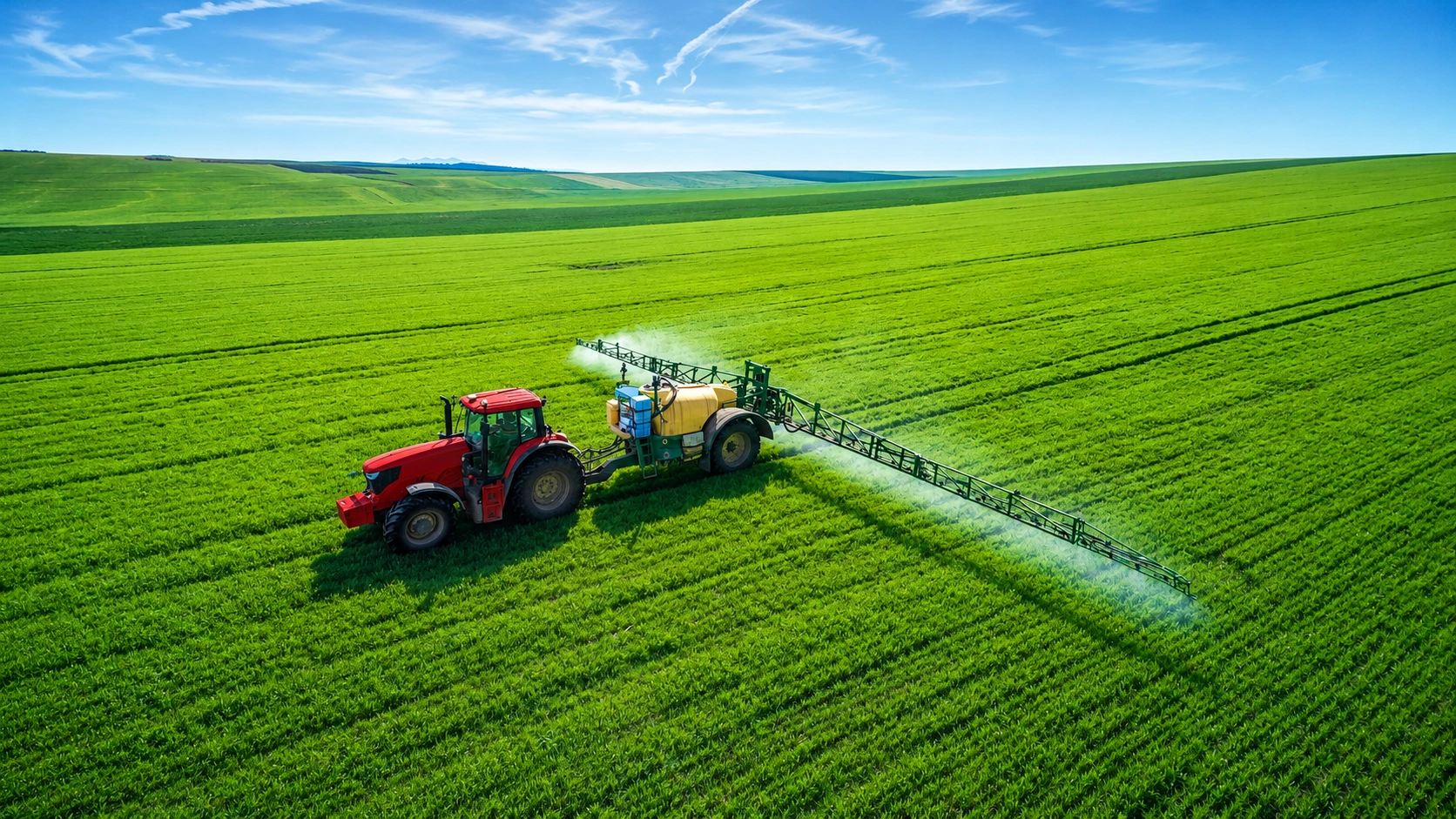
Agricultural tractor operating in a cultivated field

Agricultural Equipment Components: Casting, Forging & Assembly

Manufacturing Support for Agricultural Equipment Components

Agricultural machinery operates under abrasive soil, moisture, fertilizer exposure, cyclic loading, impact, vibration, contamination, and seasonal production demands.

ForceBeyond supports tractor, tillage, seeding, harvesting, drivetrain, hub, and implement programs through sand casting, investment casting, closed-die forging, precision machining, heat treatment, coatings, assembly, kitting, inspection, and logistics coordination.

Final material, process route, heat treatment, hardness, coating, assembly scope, inspection, and delivery model must be confirmed for the selected component and service environment.

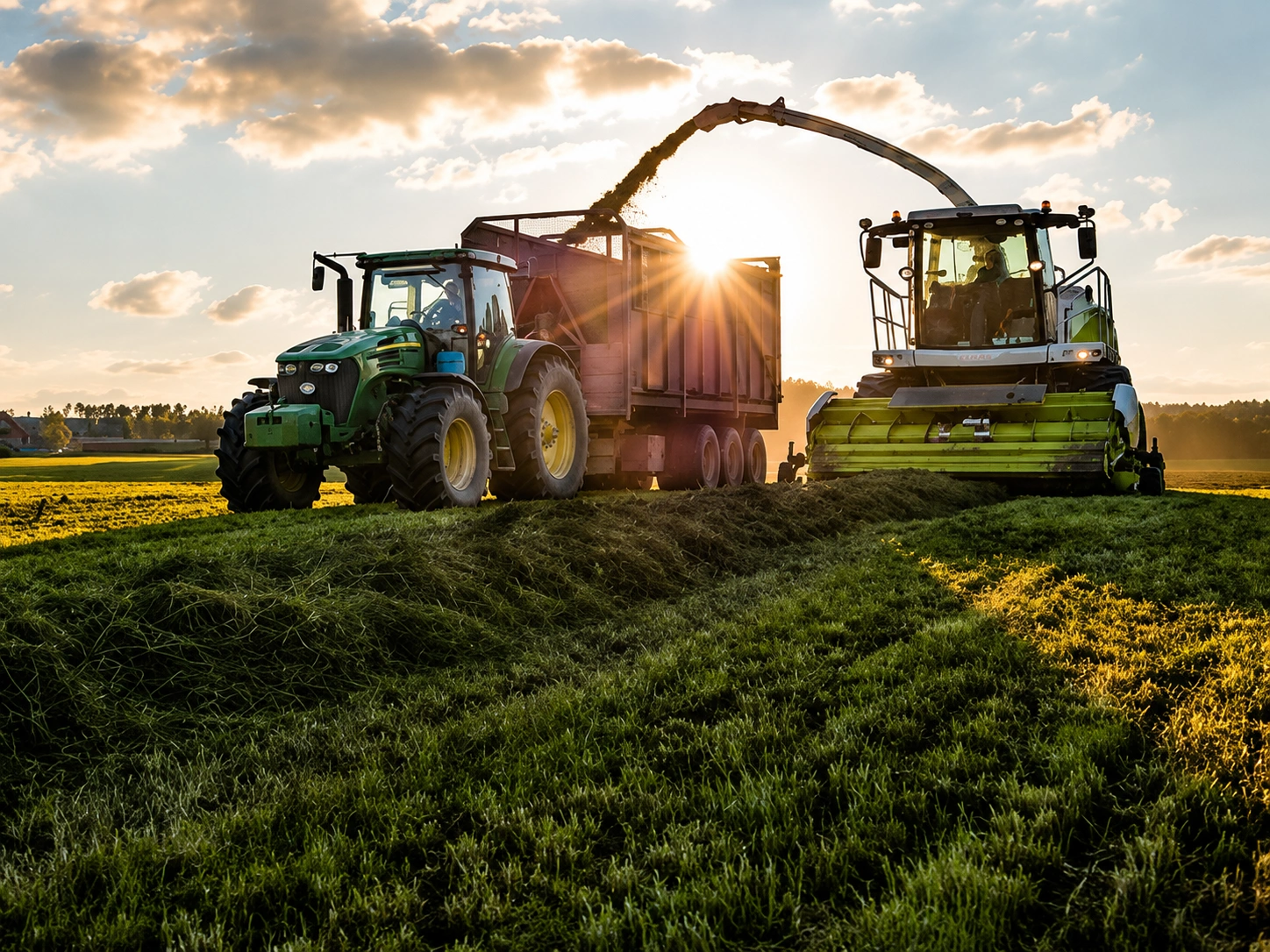
Agricultural machinery and tractor components used in field operations

Agricultural Equipment Application Matrix

Equipment Area Representative Components Potential Manufacturing Routes Key Engineering Requirements
Tractors and Power Units Frame brackets, gearbox housings, axle housings, carriers, counterweights, hubs, mounts Sand casting, ductile-iron casting, steel forging, machining, heat treatment, coating Fatigue, stiffness, vibration, bearing alignment, corrosion, dimensional control, and serviceability
Tillage and Soil Engagement Plow points, tines, shanks, discs, coulters, links, wear plates, hitch components Closed-die forging, alloy-steel casting, machining, Q&T, induction hardening, hardfacing Abrasion, impact, wear pattern, toughness, hardness profile, soil release, and replaceability
Seeding and Planting Meter housings, seed discs, brackets, row-unit parts, hubs, covers, drive and linkage hardware Aluminum die casting, iron casting, forging, precision machining, coating, assembly Metering accuracy, corrosion, contamination, wear, alignment, dimensional repeatability, and low mass
Harvesting Equipment Cutter components, shafts, housings, sprockets, hubs, links, gathering and conveyor hardware Forging, casting, machining, heat treatment, coating, assembly Fatigue, wear, impact, balance, contamination, service access, and seasonal uptime
Drivetrain and Hub Systems Wheel hubs, carriers, gear blanks, shafts, bearing supports, seals, planetary components Ductile-iron casting, steel forging, rolled rings, machining, heat treatment, bearing assembly Torque, fatigue, bearing fits, runout, lubrication, sealing, preload, and traceability
Cab, Control and Auxiliary Hardware Covers, brackets, housings, control bodies, pump and valve components, thermal and electrical enclosures Aluminum or zinc die casting, machining, stamping, coating, assembly Corrosion, sealing, appearance, vibration, ergonomics, electrical protection, and packaging

Agricultural Component Portfolio

Component Family Representative Hardware Common Product Forms Typical Verification
Structural Castings Frame brackets, housings, carriers, axle structures, counterweights, mounts Ductile iron, gray iron, cast steel, aluminum castings Dimensions, chemistry, microstructure, NDT as required, machining interfaces, coating
Forged Wear and Load Components Plow points, tines, links, shafts, hitch parts, cutter and drivetrain hardware Closed-die forgings, open-die forgings, machined alloy steel Hardness, case depth, grain flow, dimensions, surface NDT, mechanical properties
Lightweight Cast Housings Seed-meter bodies, covers, cab hardware, pump and control housings Aluminum die castings, A356-type castings, zinc die castings Porosity criteria, leak testing where required, dimensions, coating, threads, assembly fit
Hub and Drivetrain Components Hubs, carriers, gear blanks, shafts, bearing supports, seals, planetary hardware Castings, forgings, rolled rings, machined parts, assemblies Bearing fit, runout, hardness, torque, balance, seal installation, traceability
Kitted and Assembled Modules Hub modules, bearing kits, gear kits, linkage kits, hardware packs, line-side assemblies Multi-material components and purchased hardware Part verification, torque, fit, labeling, count, packaging, barcode, and final inspection

Materials for Agricultural Equipment Components

Material Family Representative Uses Primary Selection Drivers
Ductile and Gray Iron Housings, brackets, carriers, axle structures, counterweights, gearbox components Castability, damping, strength, fatigue, machinability, section sensitivity, and cost
Carbon and Alloy Steels Tines, points, links, shafts, pins, hitch parts, wear and drivetrain hardware Strength, toughness, hardenability, fatigue, weldability, wear, and heat treatment
Aluminum Alloys Housings, covers, controls, seed-meter components, cab and auxiliary hardware Mass, castability, corrosion, thermal behavior, machining, coating, and cost
Stainless and Specialty Alloys Corrosion-resistant shafts, fluid components, fasteners, fertilizer-exposed and washdown hardware Corrosion, galling, strength, temperature, cleaning, passivation, and cost
Wear-Resistant Irons and Steels Soil-engaging, abrasive, impact, slurry, and replaceable wear components Abrasion mode, impact, carbide or microstructure control, hardness, toughness, and service validation

Review stainless and carbon steels, aluminum and copper alloys, and materials and technical specifications.

Sand, Investment and Die Casting for Agricultural Components

  • Sand casting: tractor housings, gearbox components, brackets, carriers, axle structures, and larger equipment parts.
  • Investment casting: smaller complex brackets, links, levers, fittings, and near-net components.
  • Aluminum die casting: high-volume housings, covers, control bodies, seed-meter components, and lightweight hardware.
  • Solidification planning: gating, risers, chills, wall transitions, machining stock, and tooling affect internal quality and yield.
  • Acceptance planning: define porosity, NDT, leak testing, repair, impregnation, dimensional, and documentation requirements.

See sand casting, investment casting, and aluminum die casting.

Forged Tillage, Drivetrain and High-Load Components

  • Closed-die forging: tines, points, links, levers, hitch parts, hubs, brackets, and high-volume load components.
  • Open-die forging: larger shafts, hubs, blocks, rings, and lower-volume heavy preforms.
  • Cold forging: pins, sleeves, fasteners, small shafts, fittings, and high-volume near-net hardware.
  • Grain-flow planning: forging direction, reduction, flash, heat treatment, and machining allowance should support load and fatigue.
  • Surface hardening: induction hardening, carburizing, nitriding, or other routes may be used where wear and core toughness must be balanced.

Review closed-die forging, cold forging, and open-die forging.

CNC Machining for Agricultural Castings and Forgings

  • Critical interfaces: bearing seats, seal bores, flange faces, bolt patterns, shaft journals, threads, and assembly datums.
  • Cast and forged blanks: manage stock variation, scale, flash, draft, distortion, and datum transfer.
  • Hard machining: control tool wear, heat, chatter, burrs, surface integrity, and distortion in heat-treated parts.
  • Heavy components: confirm machine envelope, table load, swing, travel, crane access, fixture, and portable metrology.
  • Inspection: use CMM, portable arms, gauges, runout, hardness, surface finish, and assembly checks as required.

See precision machining and multi-axis CNC machining.

Heat Treatment and Wear Performance

  • Quench and temper: balances strength, hardness, toughness, and fatigue for selected agricultural steel components.
  • Induction hardening: may produce a hardened surface or localized wear zone while retaining a tougher core.
  • Carburizing and nitriding: may be used for gears, pins, shafts, and wear interfaces where case properties are required.
  • Stress relief: may reduce distortion risk between rough and finish machining.
  • Verification: hardness, case depth, microstructure, mechanical testing, dimensional stability, and process records may apply.

Review heat treatment for process-selection and documentation guidance.

Coatings for Soil, Weather and Fertilizer Exposure

  • E-coating: immersion-based corrosion protection for compatible conductive parts with suitable pretreatment.
  • Powder coating: durable color and barrier protection for brackets, frames, housings, and agricultural hardware.
  • Liquid paint: primers and topcoats for large parts, field repair, UV exposure, and customer-specific finish systems.
  • Metallic protection: zinc plating, galvanizing, metallizing, or project-specific sacrificial systems where suitable.
  • Wear zones: coatings may be supplemented by hardfacing, overlays, inserts, or replaceable wear components.

Salt-spray results do not by themselves establish field service life. Pretreatment, edge coverage, coating thickness, UV, abrasion, fertilizer chemistry, damage, and maintenance all affect performance.

See surface finishing and coating for process-to-material guidance.

Hub Assembly, Bearing Installation and Kitting

  • Press-fit installation: bearings, bushings, sleeves, seals, pins, and retainers installed using controlled equipment and defined limits.
  • Torque control: define lubrication, sequence, torque-angle, tool calibration, traceability, and witness marking.
  • Functional verification: runout, rotation, end play, preload, seal condition, leakage, and customer-specific checks.
  • Kitting: line-side kits, hardware packs, mixed-SKU controls, labels, barcode, count verification, and reusable packaging.
  • Preservation: corrosion prevention, lubrication, caps, wraps, desiccants, stacking, and storage-life requirements.

See assembly and kitting for broader module and packaging support.

Inspection and Testing for Agricultural Components

Method Typical Use Planning Considerations
Dimensional Inspection Bores, fits, profiles, runout, bolt patterns, linkage geometry, and assembly interfaces Part size, datums, temperature, fixturing, portable versus fixed metrology, and uncertainty
Hardness and Case-Depth Testing Q&T, induction-hardened, carburized, nitrided, and wear-resistant components Location, surface preparation, scale, conversion limits, case profile, and acceptance range
Radiographic or Ultrasonic Testing Selected castings, forgings, shafts, rings, and critical sections Geometry, section thickness, grain structure, attenuation, technique, scan plan, and acceptance criteria
Surface NDT Penetrant or magnetic-particle inspection for surface-breaking discontinuities Material compatibility, surface condition, sensitivity, personnel qualification, and inspection stage
Assembly and Functional Testing Runout, torque, preload, leakage, rotation, fit, count, and packaging verification Fixture, test sequence, sample plan, acceptance criteria, traceability, and reaction plan

Review testing and inspection capabilities for detailed method-selection and reporting guidance.

Value Engineering for Agricultural OEM Components

  • Near-net-shape design: reduce raw material, machining stock, cycle time, and scrap where process and tooling permit.
  • Material optimization: align strength, wear, toughness, corrosion, mass, and cost with the actual duty cycle.
  • Part consolidation: combine features or subcomponents where casting, forging, die casting, or assembly supports it.
  • Replaceable wear components: use tines, points, inserts, liners, or sacrificial zones to reduce whole-assembly replacement.
  • Packaging and kitting: reduce receiving and line-side handling through defined kits, labels, and reusable packaging.

Savings should be validated against tooling, material yield, machining time, annual volume, quality risk, logistics, service life, and total delivered cost.

Agricultural Equipment Supply Chain and Program Management

  • Seasonal demand: plan forecasts, peak production, launch timing, harvest cycles, dealer demand, and service-parts needs.
  • Capacity review: verify foundry, forge, machining, heat treatment, coating, assembly, and inspection capacity.
  • Source qualification: evaluate mills, foundries, forges, heat treaters, machine shops, coating providers, laboratories, and assemblers.
  • Inventory planning: define finished goods, service parts, tooling retention, safety stock, ownership, and replenishment.
  • Logistics: manage oversized freight, corrosion protection, export packaging, warehousing, line-side kits, and delivery milestones.

Review global footprint and logistics for sourcing, inventory, packaging, customs, and delivery planning.

Agricultural Equipment RFQ Checklist

  • Technical package: drawing, CAD, revision, bill of materials, component function, and design authority.
  • Material: alloy, product form, specification, target hardness, heat treatment, case depth, and approved sources.
  • Service conditions: soil type, abrasion, impact, load, speed, temperature, moisture, fertilizer, chemicals, and duty cycle.
  • Manufacturing scope: casting, forging, machining, heat treatment, coating, hardfacing, assembly, kitting, and packaging.
  • Inspection: NDT, hardness, chemistry, microstructure, dimensions, runout, assembly checks, and acceptance criteria.
  • Program needs: prototype quantity, annual demand, seasonal peak, service parts, tooling, target delivery, and program duration.

Frequently Asked Questions: Agricultural Equipment

What coatings are suitable for agricultural components exposed to weather, soil, and fertilizers?

Potential systems include e-coating, powder coating, liquid paint, zinc-based coatings, plating, and application-specific corrosion-protection systems. Selection depends on substrate, pretreatment, fertilizer chemistry, UV exposure, abrasion, edge coverage, coating thickness, appearance, repair requirements, and the specified test method.

Can ForceBeyond provide pre-assembled hubs, bearing modules, or agricultural kits?

Project-specific assembly and kitting may include machined hubs, bearings, seals, retaining hardware, lubrication, torque-controlled fasteners, labels, inspection, and packaging. Fit, cleanliness, torque, preload, runout, traceability, testing, and packaging requirements should be defined before quotation.

Which manufacturing processes are used for agricultural equipment components?

Depending on geometry, material, annual volume, load, wear, and cost targets, agricultural components may use green-sand or no-bake casting, investment casting, aluminum die casting, closed-die forging, open-die forging, CNC machining, heat treatment, coatings, and mechanical assembly.

What information is needed for an agricultural component quote?

Provide drawings, CAD, material, annual volume, component function, load, wear environment, corrosion exposure, heat treatment, hardness, machining, coating, inspection, assembly, packaging, service-parts demand, and delivery requirements.

Review an Agricultural Equipment Component Program

Send your drawings, material, annual volume, load, wear environment, heat treatment, hardness, machining, coating, assembly, packaging, service-parts demand, and delivery requirements for an engineering review.

Agricultural Equipment, Materials and Manufacturing References
Related Agricultural, Casting, Forging, Machining and Quality Resources